Origins

Where your coffee comes from.

The country, farm and altitude where a coffee grows shape how it tastes. Start with the story of the cherry, then browse coffees by where they were grown.

coffee beltnoun

The band around the equator, between the Tropics of Cancer and Capricorn, where coffee grows. Within it, three things do most of the work on flavor.

AltitudeHigher farms ripen cherries slowly, which tends to mean brighter acidity.
ClimateRain and temperature set when cherries ripen and how evenly.
VarietyPlant types like Bourbon, Typica and Gesha each have their own character.
The story behind the red

From cherry to cup.

A coffee bean is the seed of a red fruit called a coffee cherry. Each cherry usually holds two seeds. Here is how they get from the shrub to your bag of beans or pod.

Photo coming soon

Grow

01

Coffee grows on shrubs in tropical highlands. A plant takes three to four years to bear fruit, and most farms are small family plots.

In your cup

Altitude, soil and plant variety set the base flavor before anything else happens.

Photo coming soon

Pick

02

Cherries on the same branch ripen at different times, from green to yellow to deep red. Careful farms pick by hand, returning to each plant several times.

In your cup

Only ripe cherries taste sweet. Underripe fruit adds sourness and a grassy edge.

Photo coming soon

Process

03

The fruit is removed and the seeds are dried until they are stable enough to ship. These dried seeds are called green coffee.

In your cup

Method matters: washed coffees taste cleaner, naturals taste fruitier. See below.

Photo coming soon

Roast

04

Roasters heat the green seeds until they turn brown and develop aroma. The roast date on the bag tells you when this happened.

In your cup

Light roasts keep more of the origin; dark roasts lean toward chocolate and smoke.

Step 03, up close

Processing methods

How long the fruit stays on the seed while it dries changes the flavor more than most people expect. You'll see the method on every product card.

Washed

The fruit is stripped off and the seeds are fermented and rinsed in water before drying.

Fruit
Clarity

Tastes like: bright, clean, tea-like

Shop washed coffees →

Natural

Whole cherries dry in the sun with the fruit still on, then the dried fruit is removed.

Fruit
Clarity

Tastes like: berry, wine, heavy body

Shop natural coffees →

Honey

The skin comes off but some sticky fruit stays on the seed while it dries.

Fruit
Clarity

Tastes like: sweet, round, stone fruit

Shop honey coffees →
Other methodsMixed 31Anaerobic 7Experimental 3Wet-hulled 2Mixed means a blend of methods; anaerobic ferments the cherries in sealed tanks before drying.

Browse by country

Featured: 12 of 28 countries · 248 coffees

Young coffee seedlings growing in black nursery bags, seen from above, in Boquete, PanamaCentral America

Panama

Altitude1,000–1,650 mHarvestAbout November to MarchProcessWashed, Natural

Notes: honeysuckle, jasmine, almond

5 coffeesShop Panama →
Green hillsides of coffee-growing country near El Águila, Valle del Cauca, ColombiaSouth America

Colombia

Altitude1,200–2,000 mHarvestVaries by region, nearly year-roundProcessWashed, Honey, Natural

Notes: caramel, chocolate, cherry

54 coffeesShop Colombia →
Coffee beans spread out to dry in a family compound in a village near Konso, southern EthiopiaAfrica

Ethiopia

Altitude1,500–2,200 mHarvestVaries by regionProcessWashed, Natural, Honey

Notes: floral, citrus, caramel

37 coffeesShop Ethiopia →
Rows of coffee plants on a hillside farm in Carmo de Minas, Minas Gerais, BrazilSouth America

Brazil

Altitude800–1,400 mHarvestApril to SeptemberProcessNatural, Honey, Washed

Notes: chocolate, brown sugar, caramel

27 coffeesShop Brazil →
Coffee branches with green, yellow and red coffee cherries among glossy leaves at a farm in Kona, HawaiiNorth America

Hawaii (Kona)

Altitude210–760 mHarvestAbout August to January in Kona, with the last cherries picked as late as FebruaryProcessWashed, Experimental

Notes: citrus, fruit, spice

26 coffeesShop Hawaii (Kona) →
Red and dark coffee cherries drying on a blue tarp on grass in Wae Rebo, Flores, IndonesiaAsia-Pacific

Indonesia

Altitude1,000–1,400 mHarvestVaries by island: Sumatra October to JuneProcessWet-hulled, Washed, Natural

Notes: earthy, dark chocolate, dried fruit

20 coffeesShop Indonesia →
Coffee branches heavy with red and green cherries on a farm in Santa Bárbara, HondurasCentral America

Honduras

Altitude1,000–1,600 mHarvestNovember to AprilProcessWashed, Natural, Honey

Notes: honey, peach, floral

19 coffeesShop Honduras →
Steep green hillsides planted with rows of coffee shrubs under a clear blue sky in Costa RicaCentral America

Costa Rica

Altitude800–1,600 mHarvestAbout October to AprilProcessWashed, Honey, Natural

Notes: cocoa, apple, hibiscus

14 coffeesShop Costa Rica →
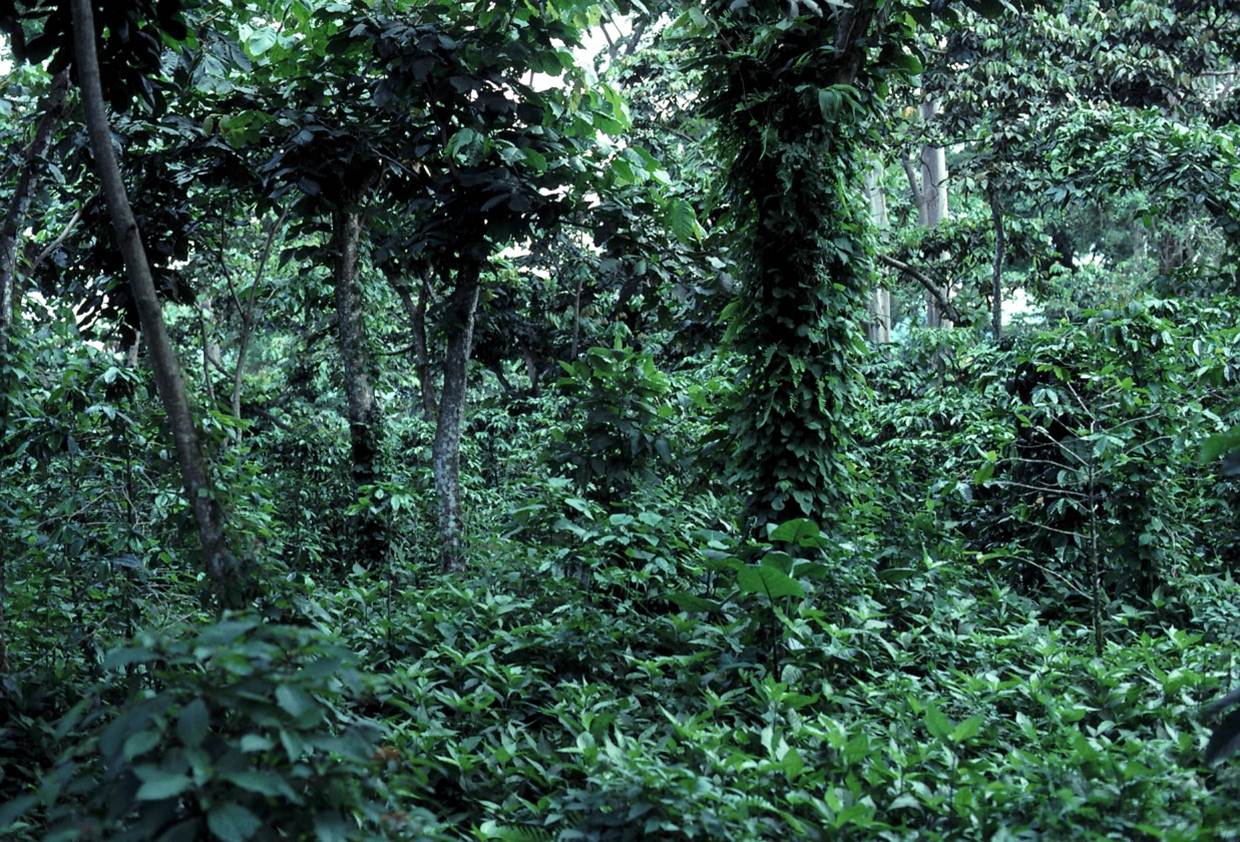
Coffee shrubs growing under a canopy of shade trees on a traditional coffee plantation in GuatemalaCentral America

Guatemala

Altitude1,300–2,000 mHarvestSeptember to AprilProcessWashed

Notes: dark chocolate, brown sugar, cherry

12 coffeesShop Guatemala →
Red, orange and green coffee cherries ripening on a branch at Fairview Estate in Kiambu, KenyaAfrica

Kenya

Altitude1,400–2,000 mHarvestAugust to JanuaryProcessWashed

Notes: blackberry, guava, alyssum-like flowers

12 coffeesShop Kenya →
Rolling hills covered in shade trees over coffee plantations in Chikmagalur, Karnataka, with a rocky peak on the horizonAsia-Pacific

India

Altitude700–1,500 mHarvestAbout November to JanuaryProcessWashed, Natural

Notes: creamy, cocoa, smooth

11 coffeesShop India →
A dense cluster of ripe red coffee cherries on a branch, with green leaves blurred behind, in PeruSouth America

Peru

HarvestAbout March to October, depending on source and regionProcessWashed, Natural

Notes: citrus, black tea, brown sugar

11 coffeesShop Peru →